
SACRED HERITAGE & TOURISM · ପବିତ୍ର ମନ୍ଦିର ଓ ପର୍ଯ୍ୟଟନ
Destinations & Heritage
ଓଡ଼ିଶାର ପାରମ୍ପରିକ ମନ୍ଦିର, କଳାକୃତି ଓ ପର୍ଯ୍ୟଟନ ସ୍ଥଳୀ
Explore ancient Kalinga stone architecture, sacred pilgrimage corridors, pristine lagoons, and wildlife sanctuaries across Odisha.
45 Destinations(18 Temples · 27 Spots)
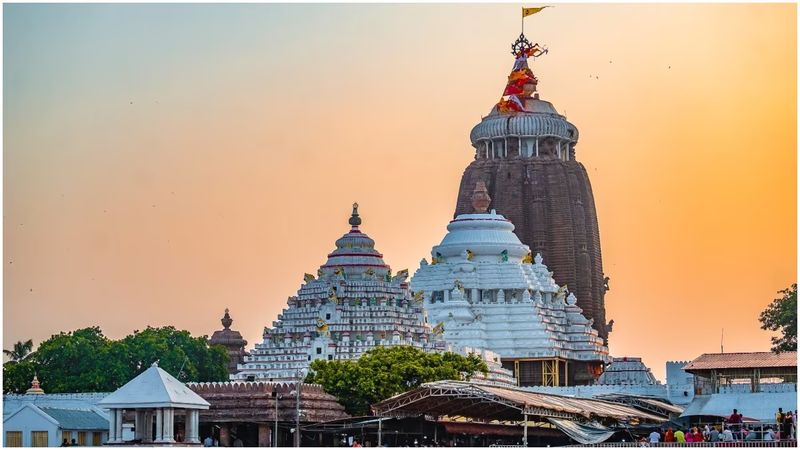
FEATURED SPOTLIGHTPuri District
Jagannath Temple
ଶ୍ରୀ ଜଗନ୍ନାଥ ମନ୍ଦିର, ପୁରୀ
Heritage Highlight
Jagannath Temple
Rituals & Festivals
Daily Rituals (Nitis)
The Jagannath Temple follows a traditional schedule of daily rituals known as Nitis, performed by designated temple servitors.
Mangala Aarti: Early morning prayers to awaken the deities.
Mailama: Changing the deities' clothes and decorations.
Abakasha: Ceremonial cleansing and preparation of the deities.
Sakala Dhupa: Morning food offerings.
Madhyana Dhupa: Midday food offerings.
Sandhya Aarti: Evening prayers and worship with lamps.
Badasinghara Besha: Final nightly decoration before the deities retire.
Major Annual Festivals
Sacred Tradition: The temple's daily rituals, elaborate festivals and Mahaprasad offerings preserve centuries-old traditions and reflect the spiritual and cultural identity of Odisha.
Note: Festival dates follow the Hindu lunar calendar, so Gregorian month ranges may vary each year.
History of Shri Jagannath Temple, Puri
1. Historical Origins
The Shri Jagannath Temple, located in Puri, Odisha, is one of the most sacred Hindu pilgrimage sites in India. Dedicated to Lord Jagannath, an incarnation of Lord Vishnu, the temple represents Odisha's rich spiritual, cultural and architectural heritage.
The present monumental temple was initiated in the 12th century CE by King Anantavarman Chodaganga Deva of the Eastern Ganga dynasty. Successive rulers contributed to its completion and expansion. Over the centuries, it became a major centre of religious, cultural and political life in Odisha.
2. Temple Architecture
The temple is a magnificent example of Kalinga architecture, with its main tower rising approximately 214 feet above the ground.
The principal structures include:
Vimana (Rekha Deula): The main sanctum housing the deities.
Jagamohana: The assembly hall for devotees.
Natamandapa: The traditional dance and ceremonial hall.
Bhogamandapa: The hall associated with food offerings.
The temple complex is surrounded by fortified walls and contains numerous smaller shrines.
3. The Sacred Deities
The temple is famous for its three principal wooden deities:
Lord Jagannath: Worshipped as a form of Lord Vishnu and Krishna.
Lord Balabhadra: The elder brother of Lord Jagannath.
Devi Subhadra: The sister of Jagannath and Balabhadra.
Unlike most Hindu temples, these deities are made from sacred Neem wood, known as Daru.
The tradition of Nabakalebara involves ceremonially replacing the wooden deities when an additional Ashadha month occurs in the Hindu lunar calendar.
4. Sacred Structures
Singhadwara: The main eastern entrance, also known as the Lion Gate.
Baisi Pahacha: The twenty-two sacred steps associated with various religious traditions and ancestral offerings.
Aruna Stambha: A sixteen-sided monolithic pillar traditionally believed to have been brought from the Konark Sun Temple.
Nilachakra: The sacred wheel atop the temple tower, representing Lord Vishnu's Sudarshana Chakra.
PuriExplore Destination
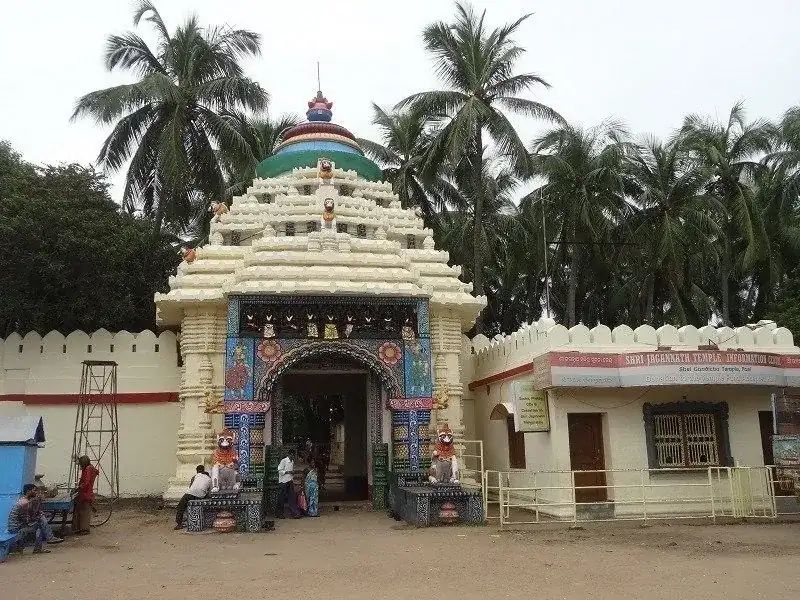 Puri
Kalinga Temple
Alarnatha Mandira
ଅଳାରନାଥ ମନ୍ଦିର
Brahmagiri · Puri District
🛕 Temple History & Architecture
Sacred History & Legends
The Alarnatha Mandira in Brahmagiri is intimately tied to the Sri Jagannath culture of Puri. According to hagiographies, it was sanctified by the visits of Vaishnavite philosopher Ramanujacharya and later Saint Chaitanya Mahaprabhu, who experienced divine ecstasy here.
Anavasara Significance
The Fortnightly Refuge: During Anavasara—the fortnight when Lord Jagannath falls ill after the grand Snana Yatra—the deities in Puri are secluded.
Alternative Darshan: Thousands of devotees flock to Alarnatha to catch a glimpse of the four-armed black chlorite Vishnu image, believing that Lord Jagannath manifests here during this period.
Kalinga Architectural Features
Deula Typology: Built using local sandstone, the temple features the classic Kalinga configuration comprising a Rekha Deula (sanctum with a curved shikhara) and a Pidha Deula (jagamohana or assembly hall).
Iconography: The presiding deity holds the traditional attributes of Vishnu—Sankha (conch), Chakra (discus), Gada (mace), and Padma (lotus)—carved with exquisite medieval Odishan precision.
Culinary Tradition & Etiquette
The Legendary Kheer: The temple is renowned for its thick, condensed milk Kheer (payasa), prepared in earthen pots as a sacred offering (Mahaprasad).
Darshan Etiquette: Visitors must observe traditional dress codes and respect ritual timings, particularly during the heavy monsoon rush of Anavasara.
Historic SanctuaryExplore Guide
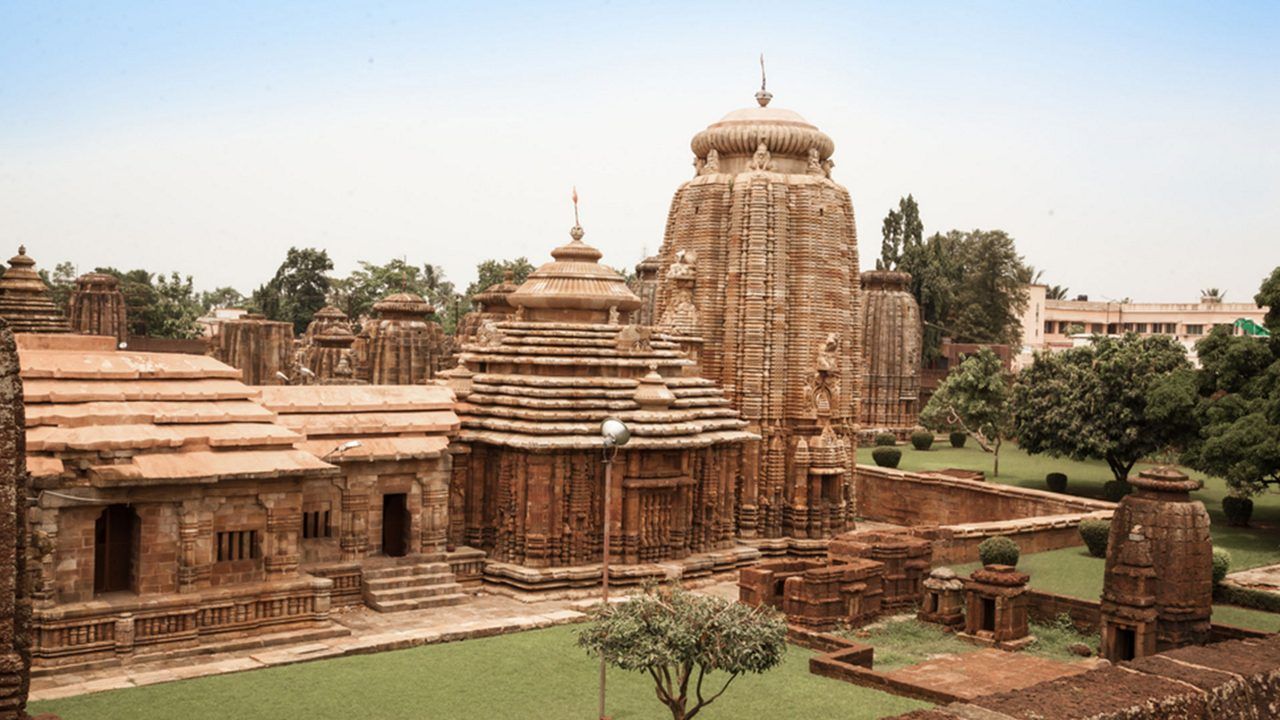 Khordha
Kalinga Temple
Ananta Vasudeva Temple
ଅନନ୍ତ ବାସୁଦେବ ମନ୍ଦିର
Bhubaneswar · Khordha District
🛕 Temple History & Architecture
Sacred Origins & Patronage
Built in the 13th century CE during the reign of the Eastern Ganga dynasty, the Ananta Vasudeva Temple was commissioned by Chandradevi, the daughter of king Anangabhima III and wife of Mahamandalesvara Bhimadeva. It is celebrated as the sole major Vaishnavite shrine in the Shiva-dominated temple city of Bhubaneswar.
Architectural Marvel of the Eastern Ganga Era
Pancha-Ratha Layout: The sanctum (Rekha Deula) features an exquisite vertical elevation adorned with intricate scrollwork, chaitya motifs, and graceful dampati figures carved in fine grey sandstone.
Iconography: The sanctum houses sanctified black chlorite images of Balarama sheltered by a seven-hooded serpent, Vasudeva (Krishna) holding a conch, discus, and mace, and Subhadra holding a lotus and pot of jewels.
Mandapas: The temple complex preserves remnants of the traditional four-component Kalinga layout, including a soaring Jagamohana (assembly hall), Natamandapa (dance hall), and Bhogamandapa (offering hall).
Rituals & Culinary Heritage
Closely mimicking the traditions of the Jagannath Temple in Puri, daily rituals involve rigorous Alati schedules and the offering of sacred Mahaprasad. Prepared in underground-vented temple kitchens, the sanctified rice, dalma, and sweet delicacies draw hundreds of devotees daily.
Historic SanctuaryExplore Guide
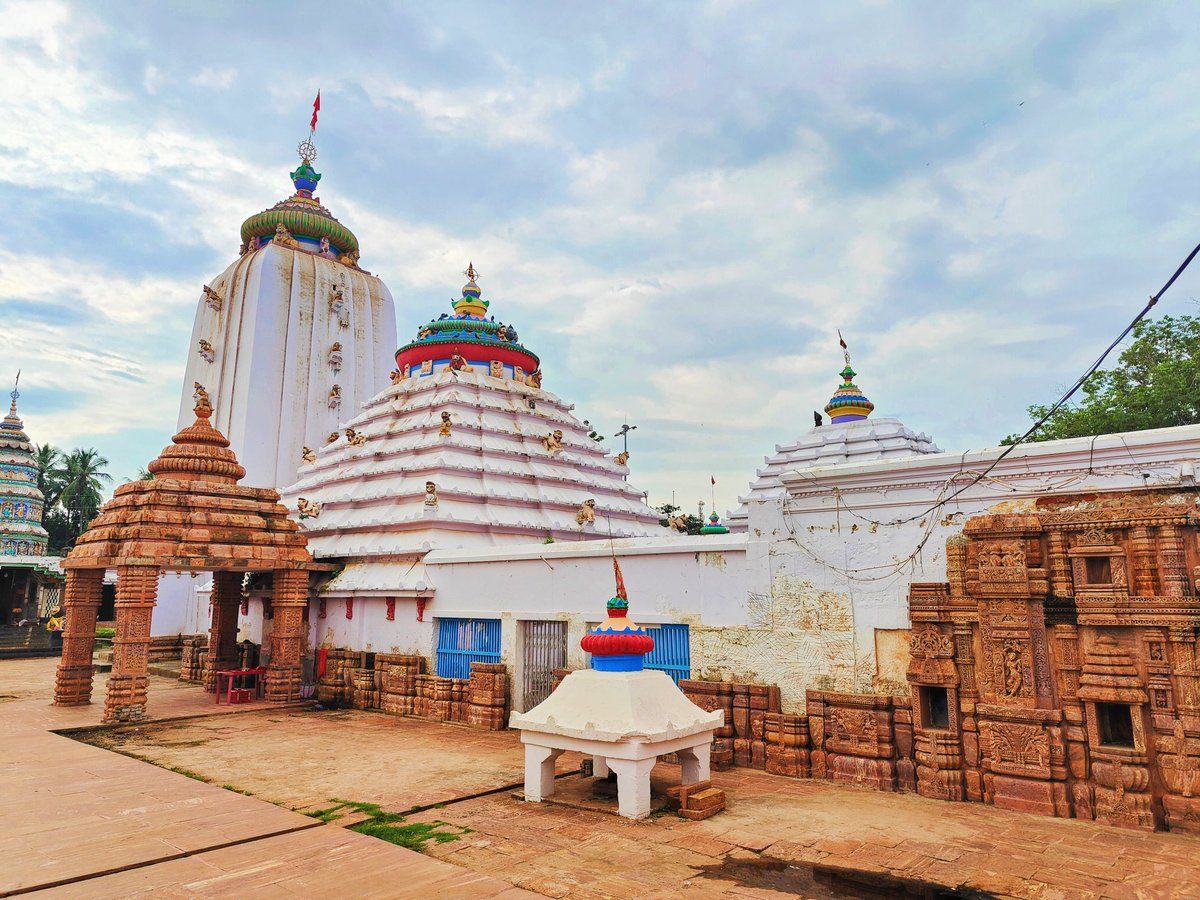 Jajpur
Kalinga Temple
Biraja Temple
ମାଆ ବିରଜା ମନ୍ଦିର
Jajpur
Nestled on the banks of the sacred Baitarani River in Jajpur, the Biraja Temple stands as one of the most revered Shakti Peethas in India. Dedicated to Goddess Durga, who is worshipped here as Girija or Biraja, this ancient shrine holds immense religious significance in Hindu mythology.
Historical records suggest the current temple structure dates back to the 13th century, built during the Somavamshi period, though the sanctity of the site dates back millennia. The presiding deity is unique, featuring a two-handed Mahisasurmardini manifestation holding a Trishula and piercing the demon Mahisasura.
"The holy soil of Viraja Kshetra cleanses the soul, drawing thousands of pilgrims during the grand Navaratri festival."
Key highlights of the temple include:
Architectural Marvel: Kalinga style of architecture with intricate stone carvings.
Navaratri Festivity: Celebrated with immense devotion and grand rituals.
Pitru Tirtha: Considered an auspicious site for ancestral worship.
📰 (Odia / ଓଡ଼ିଆ) ଓଡ଼ିଶାର ଯାଜପୁର ଜିଲ୍ଲାରେ ପବିତ୍ର ବୈତରଣୀ ନିରଦା ତଟରେ ଅବସ୍ଥିତ ମା' ବିରଜା ମନ୍ଦିର ଦେଶର ଅନ୍ୟତମ ପ୍ରମୁଖ ଶକ୍ତିପୀଠ ଅଟେ। ଏଠାରେ ମା' ଦୁର୍ଗା ବିରଜା ବା ଗିରିଜା ରୂପରେ ପୂଜା ପାଆନ୍ତି। ଇତିହାସ ଅନୁଯାୟୀ, ବର୍ତ୍ତମାନର ମନ୍ଦିରଟି ୧୩ଶ ଶତାବ୍ଦୀରେ ସୋମବଂଶୀ ରାଜାମାନଙ୍କ ଦ୍ୱାରା ନିର୍ମିତ ହୋଇଥିଲା। ମା'ଙ୍କ ମୂର୍ତ୍ତି ଅତ୍ୟନ୍ତ ବିଶେଷ, ଯେଉଁଥିରେ ମା' ଦୁଇ ହାତରେ ମହିଷାସୁରକୁ ବଧ କରୁଥିବାର ଦୃଶ୍ୟ ରହିଛି। "ବିରଜା କ୍ଷେତ୍ରର ପବିତ୍ର ମାଟି ଭକ୍ତଙ୍କ ମନସ୍କାମନା ପୂର୍ଣ କରିଥାଏ।" ମନ୍ଦିରର ପ୍ରମୁଖ ବିଶେଷତାଗୁଡ଼ିକ: କଳା ଓ ସ୍ଥାପତ୍ୟ: କଳ୍ପନାତୀତ କଳିଙ୍ଗ ସ୍ଥାପତ୍ୟ ଶୈଳୀ। ଶାରଦୀୟ ପୂଜା: ନବରାତ୍ରି ସମୟରେ ବିଶେଷ ପୂଜାର୍ଚ୍ଚନା। ପିତୃତୀର୍ଥ: ପିଣ୍ଡଦାନ ଏବଂ ପିତୃକାର୍ଯ୍ୟ ପାଇଁ ଏହା ଏକ ପବିତ୍ର ସ୍ଥାନ।
Historic SanctuaryExplore Guide
 Cuttack
Kalinga Temple
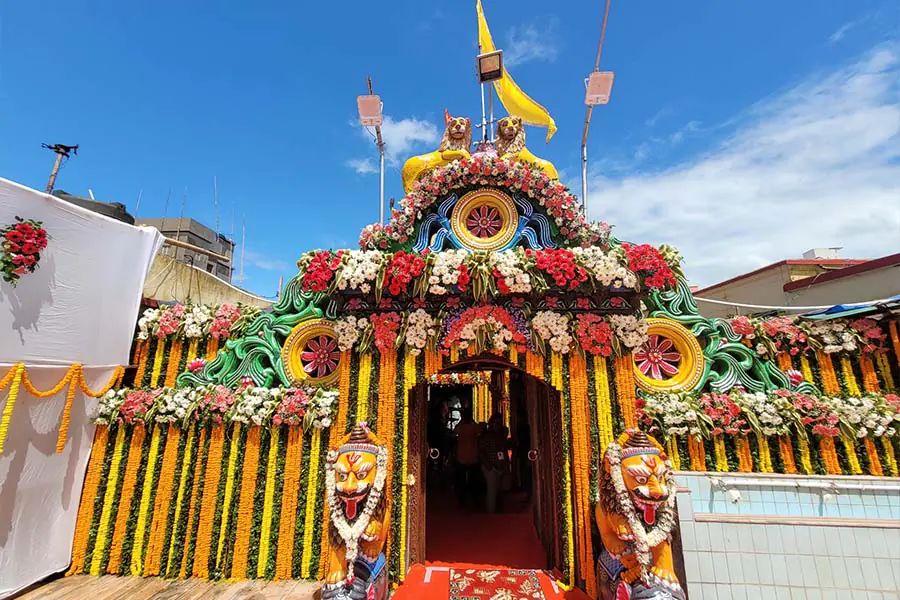
Cuttack Chandi Temple
କଟକ ଚଣ୍ଡୀ ମନ୍ଦିର
Cuttack
🛕 Temple History & Architecture
Sacred History & Lore
Maa Chandi is revered as the presiding deity (Peetha Devi) and living protector of the historic city of Cuttack. Situated majestically on the banks of the Mahanadi River, the shrine is deeply entwined with the socio-cultural fabric of Odisha. Legend holds that the original icon manifested miraculously, and the temple was patronized through centuries by medieval kings, notably the Ganga and Gajapati monarchs.
Architectural Features
Sanctum & Deula: The temple complex showcases classic Kalinga architecture featuring a sanctum crafted in the Khakhara style—characteristic of Devi shrines—accompanied by a pillared jagamohana (assembly hall).
Iconography: The presiding deity is an eight-armed (Ashtabhuja) manifestation of Goddess Durga, carved from sacred black chlorite stone, adorned intricately in gold and silver filigree (Tarakasi), a hallmark of Cuttack craftsmanship.
Darshan & Rituals
Festivals: The temple comes alive during Sharadiya Durga Puja, drawing millions for the famed Sahi Jatra and silver jubilee tableaux. It also holds deep spiritual significance during the historic Bali Yatra celebrations.
Etiquette: Devotees must observe traditional attire rules, maintain silence near the sanctum, and partake in the blessed Mahaprasad distributed from the temple's dedicated kitchen.
Historic SanctuaryExplore Guide
 Cuttack
Kalinga Temple
Dhabaleswar Temple
ଧବଳେଶ୍ୱର ମନ୍ଦିର
Cuttack
🛕 Temple History & Architecture
Sacred Legend & Geography
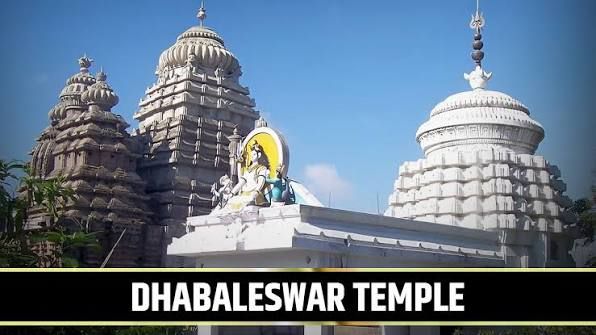
Perched majestically on a serene, rocky island in the middle of the Mahanadi River, the Dhabaleswar Temple is dedicated to Lord Shiva. According to sacred lore, this is where Lord Rama worshipped Shiva after rescuing Sita, and a divine white Shivalinga emerged here, earning the deity the name Dhabaleswar.
Kalinga Architectural Splendor
Deula Typology: Built predominantly in the classical Kalinga style, featuring a towering Rekha Deula (sanctum sanctorum) and a spacious Pidha Deula (jagamohana).
Stone Artistry: The temple walls are adorned with exquisite chlorite stone carvings depicting Puranic deities, celestial dancers (apsaras), and intricate floral scrolls typical of Somavamshi craftsmanship.
Access & Heritage: Originally accessible only by boat, the island is now famously connected to the mainland via one of Odisha's longest pedestrian suspension bridges, offering pilgrims a panoramic view of the Mahanadi.
Darshan Etiquette & Rituals
Devotees flock to the island during Bada Osha (occurring in the month of Kartika) to witness the grand offering of Gaja Bhoga to Lord Shiva. Pilgrims are advised to arrive early to avoid weekend queues, maintain quiet reverence within the sanctum, and respect local traditions regarding photography near the main black chlorite Shivalinga.
Historic SanctuaryExplore Guide
 Khordha
Kalinga Temple
Dhauli Shanti Stupa
ଧଉଳି ଶାନ୍ତି ସ୍ତୂପ
Bhubaneswar · Khordha District
History of Dhauli Shanti Stupa
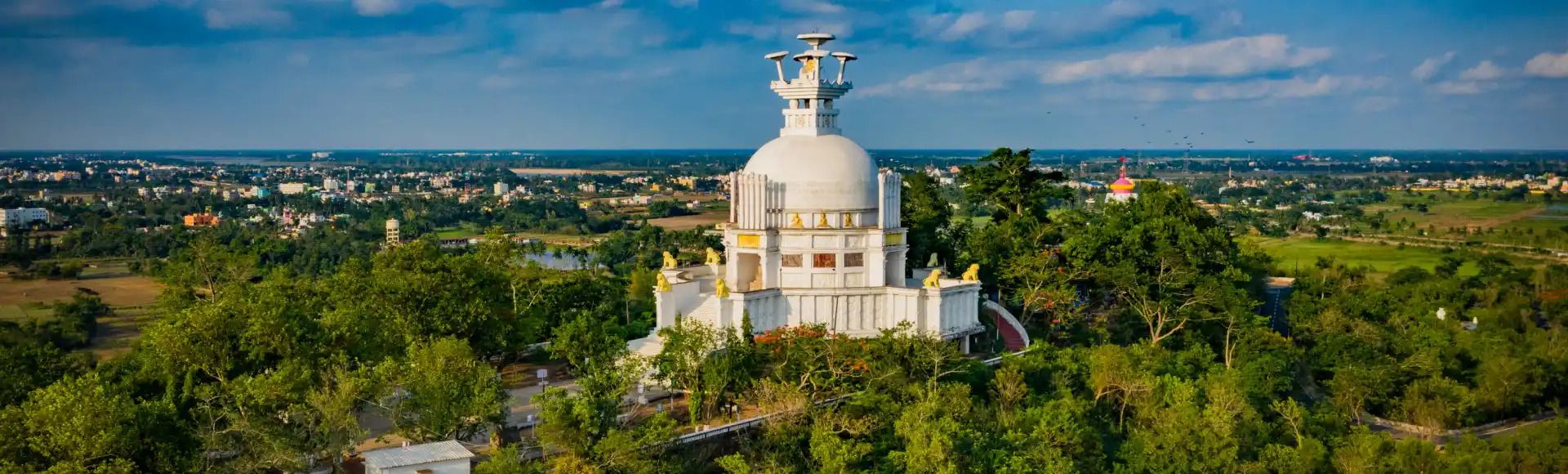
The Dhauli Shanti Stupa (Peace Pagoda), located on Dhauli Hill near Bhubaneswar, Odisha, symbolizes a historic shift from ancient wartime bloodshed to the global spread of Buddhist peace.
1. Ancient Roots: The Kalinga War (c. 260–261 BCE)
The Battlefield: Dhauli is widely recognized as the main site of the Kalinga War, fought between Emperor Ashoka of the Mauryan Empire and the independent kingdom of Kalinga.
The Aftermath: The massive casualties reportedly turned the nearby Daya River red with blood. Deeply shaken by the scale of human suffering, Ashoka underwent a profound moral transformation.
Embracing Dharma: Ashoka renounced military conquest, dedicated his reign to Dharma (righteousness and non-violence), and adopted Buddhism.
Ancient Edicts: At the base of Dhauli Hill stand Ashoka’s famous rock edicts alongside a 3rd-century BCE rock-cut elephant (considered India's oldest surviving rock-cut sculpture), symbolizing the birth of Gautama Buddha.
2. Modern Construction of the Stupa (1972)
Indo-Japanese Vision: Inspired by the first Shanti Stupa in Rajgir, Bihar, Odisha Governor Nityananda Kanungo and Buddhist leaders proposed building a peace pagoda at Dhauligiri.
Builders: The monument was constructed through a collaboration between the Japan Buddha Sangha and the Kalinga Nippon Buddha Sangha, led by Nichidatsu Fujii (Fuji Guruji) and Nipponzan Myohoji monks.
Inauguration: The white dome-shaped monument was officially inaugurated on November 8, 1972.
3. Architecture and Key Features
Structure: Built in a traditional hemispherical Peace Pagoda design crowned with umbrella-like finials (chatras).
Sculptures & Panels: The exterior features carved stone panels illustrating major events from Buddha's life, four Buddha statues in distinct mudras (Dharmachakrapravartana, Bhumisparsa, Mahaparinirvana, and Varada), and stone lions guarding the premises.
Surroundings: The stupa sits beside the historic Lord Dhavaleshwar Temple and offers panoramic views of the Daya River valley.
Historic SanctuaryExplore Guide
 Puri
Kalinga Temple
Jagannath Temple
ଶ୍ରୀ ଜଗନ୍ନାଥ ମନ୍ଦିର, ପୁରୀ
Puri
Rituals & Festivals
Daily Rituals (Nitis)
The Jagannath Temple follows a traditional schedule of daily rituals known as Nitis, performed by designated temple servitors.
Mangala Aarti: Early morning prayers to awaken the deities.
Mailama: Changing the deities' clothes and decorations.
Abakasha: Ceremonial cleansing and preparation of the deities.
Sakala Dhupa: Morning food offerings.
Madhyana Dhupa: Midday food offerings.
Sandhya Aarti: Evening prayers and worship with lamps.
Badasinghara Besha: Final nightly decoration before the deities retire.
Major Annual Festivals
Sacred Tradition: The temple's daily rituals, elaborate festivals and Mahaprasad offerings preserve centuries-old traditions and reflect the spiritual and cultural identity of Odisha.
Note: Festival dates follow the Hindu lunar calendar, so Gregorian month ranges may vary each year.
History of Shri Jagannath Temple, Puri
1. Historical Origins
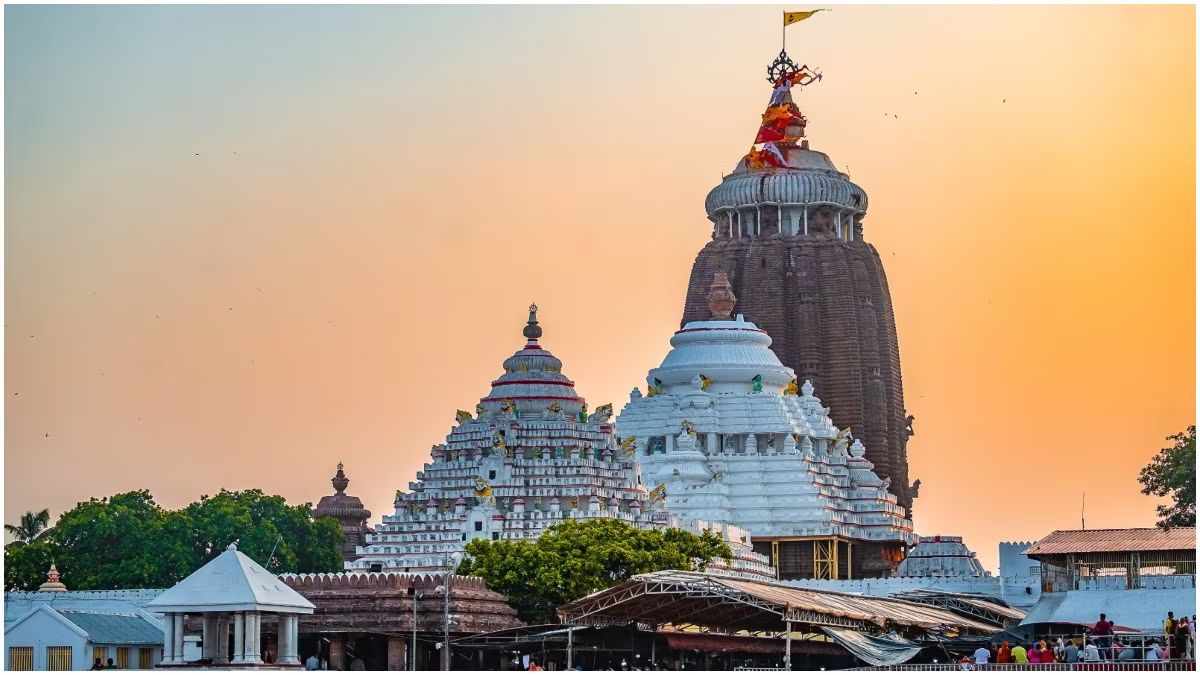
The Shri Jagannath Temple, located in Puri, Odisha, is one of the most sacred Hindu pilgrimage sites in India. Dedicated to Lord Jagannath, an incarnation of Lord Vishnu, the temple represents Odisha's rich spiritual, cultural and architectural heritage.
The present monumental temple was initiated in the 12th century CE by King Anantavarman Chodaganga Deva of the Eastern Ganga dynasty. Successive rulers contributed to its completion and expansion. Over the centuries, it became a major centre of religious, cultural and political life in Odisha.
2. Temple Architecture
The temple is a magnificent example of Kalinga architecture, with its main tower rising approximately 214 feet above the ground.
The principal structures include:
Vimana (Rekha Deula): The main sanctum housing the deities.
Jagamohana: The assembly hall for devotees.
Natamandapa: The traditional dance and ceremonial hall.
Bhogamandapa: The hall associated with food offerings.
The temple complex is surrounded by fortified walls and contains numerous smaller shrines.
3. The Sacred Deities
The temple is famous for its three principal wooden deities:
Lord Jagannath: Worshipped as a form of Lord Vishnu and Krishna.
Lord Balabhadra: The elder brother of Lord Jagannath.
Devi Subhadra: The sister of Jagannath and Balabhadra.
Unlike most Hindu temples, these deities are made from sacred Neem wood, known as Daru.
The tradition of Nabakalebara involves ceremonially replacing the wooden deities when an additional Ashadha month occurs in the Hindu lunar calendar.
4. Sacred Structures
Singhadwara: The main eastern entrance, also known as the Lion Gate.
Baisi Pahacha: The twenty-two sacred steps associated with various religious traditions and ancestral offerings.
Aruna Stambha: A sixteen-sided monolithic pillar traditionally believed to have been brought from the Konark Sun Temple.
Nilachakra: The sacred wheel atop the temple tower, representing Lord Vishnu's Sudarshana Chakra.
Historic SanctuaryExplore Guide
 Dhenkanal
Kalinga Temple
Kapilash Temple
କପିଳାଶ ମନ୍ଦିର
Dhenkanal
🛕 Temple History & Architecture
Sacred Origins & Legend
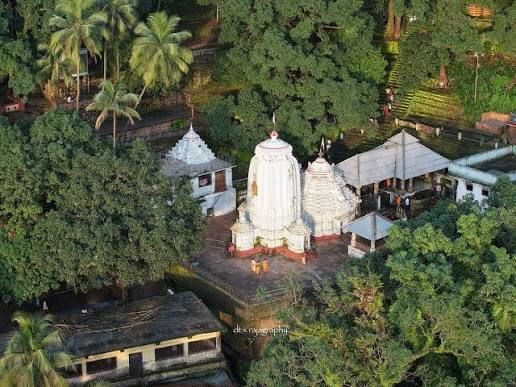
Perched atop the majestic Kapilash hill at an elevation of about 2,239 feet in Dhenkanal, this ancient shrine is revered as the legendary Second Kailash of Lord Shiva. According to sacred Puranic lore, sage Kapila Muni performed intense penance here, earning the hill and the presiding deity the name Kapilash.
Kalinga Architectural Splendor
The Main Deula: Built by the Ganga monarch Narasinghdeva I in 1246 CE, the shrine features a classic 60-foot Rekha Deula shikhara, exhibiting quintessential Kalinga architectural balance.
Jagamohana & Structures: The sanctum is fronted by a spacious Pidha Deula (Jagamohana) and a unique Nrisinghanatha temple alongside several subsidiary shrines.
Ascent & Sacred Sights: Devotees ascend 1,352 stone steps (or take the motorable ghat road) passing through the iconic Barapidha and sacred spots like the Parijata tree and Nupuranga stream.
Darshan Etiquette & Rituals
Alati Schedule: Daily worship commences with Mangala Alati at dawn, followed by Abisheka with pure water, milk, and bilwa leaves.
Festive Significance: During Maha Shivaratri (Jagara Dasa), lakhs of devotees throng the hill, carrying Mahadipa to the summit to witness the midnight illumination.
Historic SanctuaryExplore Guide
 Mayurbhanj
Kalinga Temple
Kichakeswari Temple
କିଚକେଶ୍ବରୀ ମନ୍ଦିର
Panchpir · Mayurbhanj District
🛕 Temple History & Architecture
Sacred History & Royal Patronage
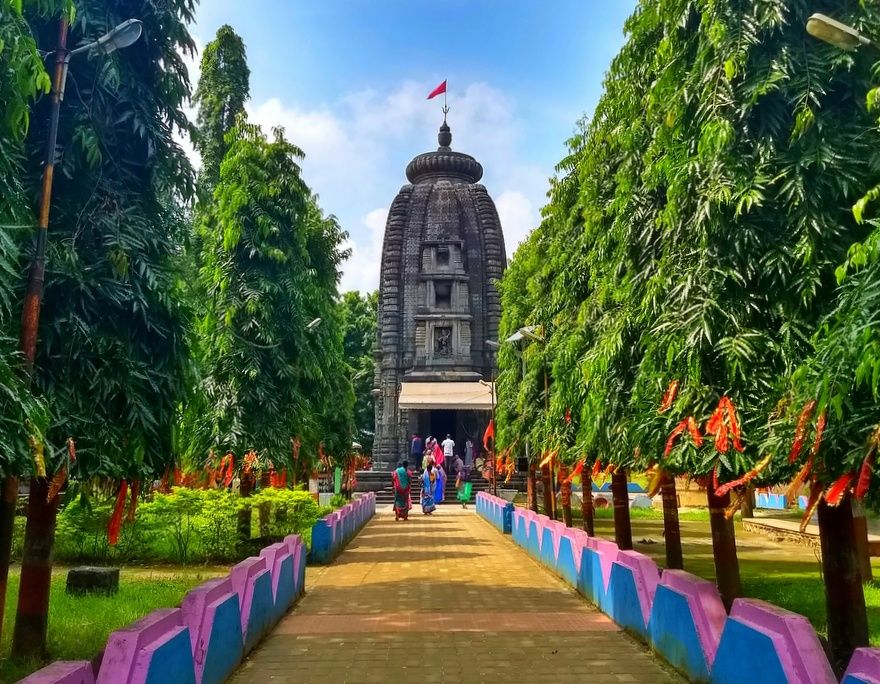
Located in the ancient town of Khiching (historically Khijjingakotta), the Kichakeswari Temple is dedicated to the reigning deity of the Bhanja dynasty. Originally constructed during the Somavamshi or early Ganga period, the temple stands as a monumental masterpiece of art carved entirely from fine-grained black chlorite stone.
Kalinga Architectural Marvel
Monolithic Construction: Unlike most brick or sandstone temples of Odisha, this shrine is celebrated for its interlocking chlorite masonry without mortar.
Sculptural Richness: The exterior walls showcase exquisite iconography of Tantric deities, celestial nymphs (surasundaris), and intricately carved floral motifs reflecting the pinnacle of Kalingan sculptural artistry.
Reconstruction: After suffering structural collapse in antiquity, the temple was meticulously reconstructed in the 20th century by the Mayurbhanj state rulers, preserving its original architectural fragments.
Darshan Etiquette & Rituals
Devotees experience profound spiritual energy during Shardiya Durgapuja, when ancient animal sacrifice traditions have largely been replaced by symbolic offerings. Visitors are advised to maintain traditional attire and observe temple sanctity while offering prayers to the fierce yet benevolent form of Maa Chamunda.
Historic SanctuaryExplore Guide
 Puri
Kalinga Temple
Konark Sun Temple
କୋଣାର୍କ ସୂର୍ଯ୍ୟ ମନ୍ଦିର
Konark · Puri District
🛕 Temple History & Architecture
Sacred History & Legend
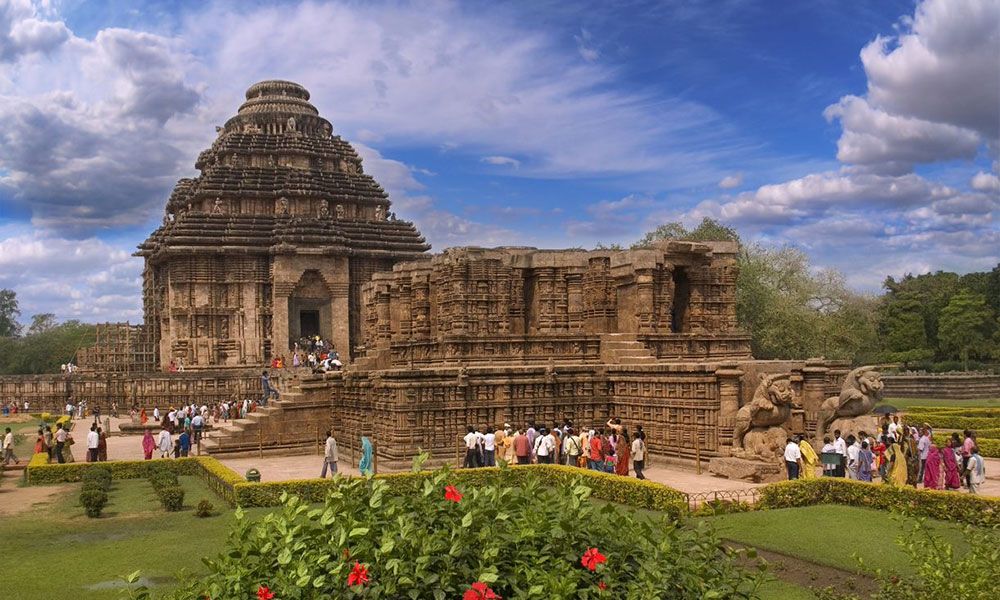
Built in the 13th century CE by King Narasimhadeva I of the Eastern Ganga Dynasty, the Konark Sun Temple (Arka Kshetra) is a monumental conception of the Sun God’s chariot. Legend records that Samba, son of Lord Krishna, was cured of leprosy here through rigorous penance dedicated to Surya.
Kalinga Architectural Marvel
The Chariot Design: Engineered as a gigantic cosmic chariot with 24 intricately carved stone wheels representing the 24 hours of the day (or the fortnights of a year), pulled by seven magnificent rearing horses signifying the days of the week.
Structural Composition: Originally comprised a towering Rekha Deula (sanctuary shikhara, now fallen) and an extant majestic Pidha Deula (jagamohana / audience hall) adorned with multilayered tiers of sculptural brilliance.
Chlorite Iconography: The temple walls feature masterwork black chlorite sculptures of musicians, dancers, erotic motifs (mithuna), and three colossal chlorite images of Surya capturing dawn, noon, and sunset.
Darshan Etiquette
Maintained as an Archaeological Survey of India (ASI) protected World Heritage monument; active worship is no longer performed in the ruined main sanctum, but the sculptural splendour offers deep spiritual and aesthetic contemplation.
Historic SanctuaryExplore Guide