
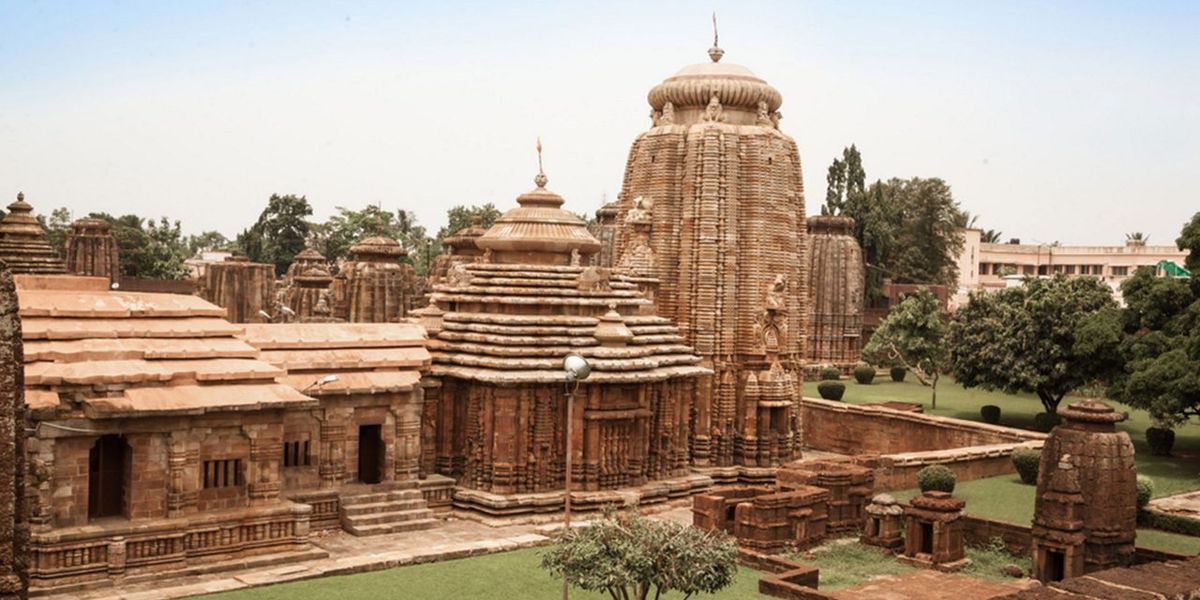
About Ananta Vasudeva Temple
🛕 Temple History & Architecture
Sacred Origins & Patronage
Built in the 13th century CE during the reign of the Eastern Ganga dynasty, the Ananta Vasudeva Temple was commissioned by Chandradevi, the daughter of king Anangabhima III and wife of Mahamandalesvara Bhimadeva. It is celebrated as the sole major Vaishnavite shrine in the Shiva-dominated temple city of Bhubaneswar.
Architectural Marvel of the Eastern Ganga Era
- Pancha-Ratha Layout: The sanctum (Rekha Deula) features an exquisite vertical elevation adorned with intricate scrollwork, chaitya motifs, and graceful dampati figures carved in fine grey sandstone.
- Iconography: The sanctum houses sanctified black chlorite images of Balarama sheltered by a seven-hooded serpent, Vasudeva (Krishna) holding a conch, discus, and mace, and Subhadra holding a lotus and pot of jewels.
- Mandapas: The temple complex preserves remnants of the traditional four-component Kalinga layout, including a soaring Jagamohana (assembly hall), Natamandapa (dance hall), and Bhogamandapa (offering hall).
Rituals & Culinary Heritage
Closely mimicking the traditions of the Jagannath Temple in Puri, daily rituals involve rigorous Alati schedules and the offering of sacred Mahaprasad. Prepared in underground-vented temple kitchens, the sanctified rice, dalma, and sweet delicacies draw hundreds of devotees daily.
Famous Mahaprasad & Bhoga · ପ୍ରସାଦ ଓ ଭୋଗ
Sakara, Khechudi, and Mahaprasad cooked precisely like the Puri Jagannath Temple
Cooked traditionally in sanctified earthen pots following centuries-old Odishan temple culinary traditions and offered to the deity before distribution to devotees.