
Explore · ମନ୍ଦିର
Temples of Odisha
Explore the divine architecture, ancient heritage, and spiritual legends of Odisha's sacred shrines.
ଓଡ଼ିଶାର ପାରମ୍ପରିକ ମନ୍ଦିର, କଳାକୃତି ଓ ଆଧ୍ୟାତ୍ମିକ ଗାଥାର ଅନ୍ୱେଷଣ।
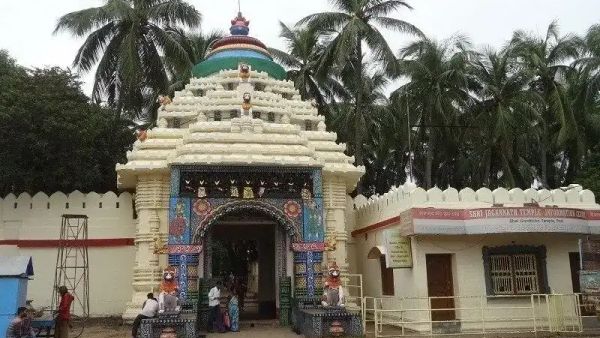
The temple is associated with the visit of the saint Ramanujacharya to Odisha.[1] Chaitanya Mahaprabhu during his stay in Puri used to see the deity form of Jagannath daily. During Anavasara when Jagannath and his sibling deities were taken to the secret chamber for 15 days, he was unable to see the Lord. So as per legend, Jagannath directed him to go to Brahmagiri and visit the Alarnath temple. Still today the Shila over which Chaitanya Mahaprabhu used to do Sankirtana is there. Many historians opine that Alvars once visited this place, but there is no mention of it in Divyaprabandam. But still the temple is considered one among the 108 Abhimana Kshethram of Vaishnavate tradition.
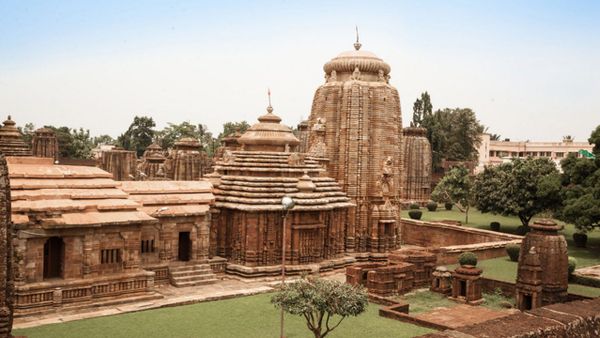
Dating back to the 13th century, this is the only major temple in Bhubaneswar dedicated to Lord Krishna (Vasudeva), Balarama, and Subhadra. Like the Puri temple, it is highly famous for its daily preparation of street-style Mahaprasad.
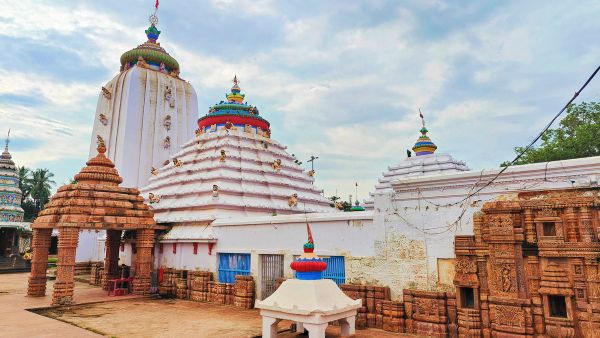
A historic Hindu temple dedicated to Goddess Biraja (a form of Durga). Jajpur is traditionally known as Biraja Kshetra and is considered a highly sacred Shakti Peetha where the navel of Goddess Sati fell.
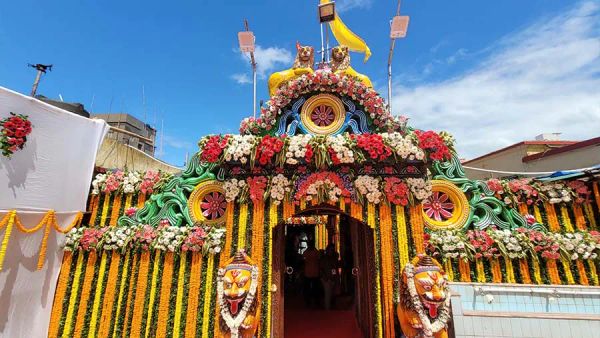
An ancient temple dedicated to Goddess Chandi, the living deity of Cuttack. Located on the banks of the Mahanadi River, it is famous for its grand Durga Puja and Durga Utsav celebrations.
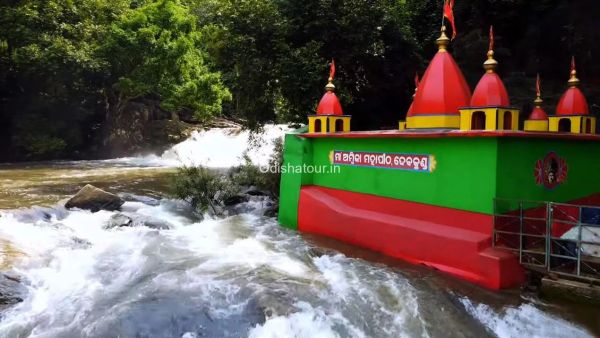
Devkund (or Debakunda) is a renowned 51st Shakti Peetha located in the Mayurbhanj district of Odisha, near the Simlipal National Park. It features a sacred shrine dedicated to Goddess Ambika and a breathtaking, crystal-clear waterfall that cascades into five natural ponds (Kundas). It is a stunning blend of spirituality and nature.
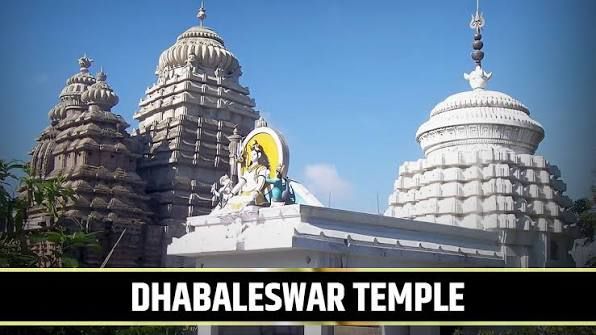
Dedicated to Lord Shiva, this temple is located on an island in the Mahanadi River. It is famous for its hanging bridge (suspension bridge) that connects the island to the mainland, drawing massive crowds during Shivaratri and Kartika Purnima.
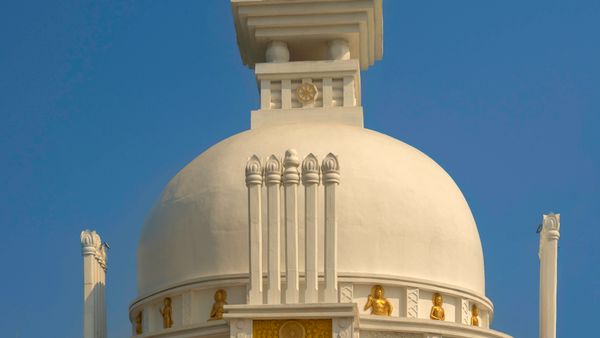
Dhauli Shanti Stupa isn't just a monument—it's a symbol of peace! Perched on the hills where Emperor Ashoka renounced violence, this white dome radiates serenity. The perfect spiritual getaway near Bhubaneswar.
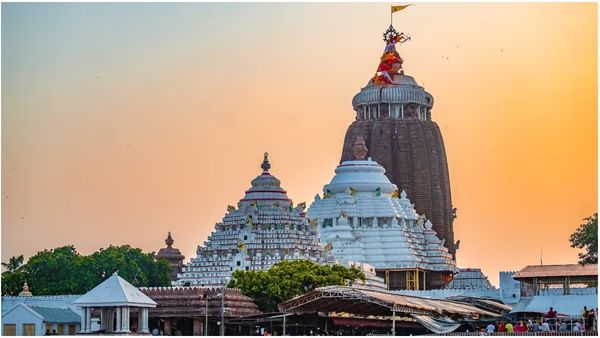
A sacred 12th-century Hindu temple dedicated to Lord Jagannath, a form of Vishnu. It is famous for its annual Ratha Yatra (Chariot Festival) and its massive kitchen serving Mahaprasad to tens of thousands daily.
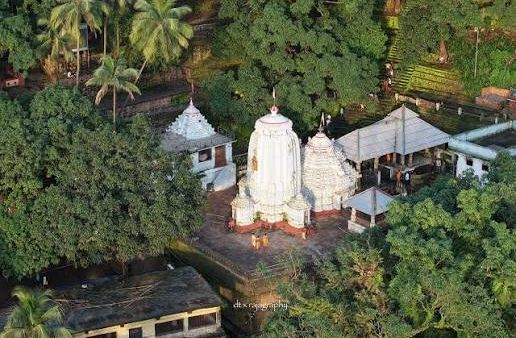
Kapilash Temple, located on a hill in Dhenkanal, Odisha, is famous as the legendary "Second Kailash" of Lord Shiva. Built by King Narasinghdeva I in 1246 CE, it is renowned for its 60-foot main tower, ancient legends of Sage Kapila, and as a popular scenic pilgrimage site
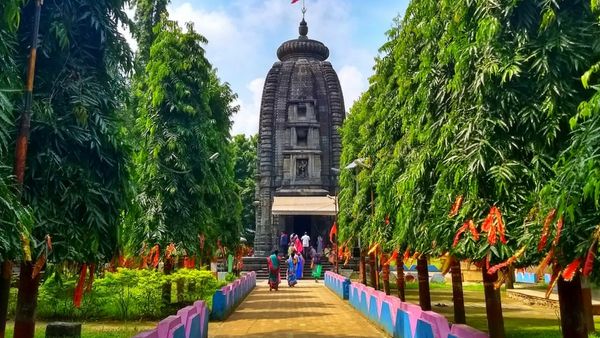
The largest temple of the town is dedicated to Goddess Kichakeswari, the family goddess of the ruling chiefs of Mayurbhanj. The Goddess Kichakeswari was not only ishtadevata of Bhanj dynasty but also the state deity. The original temple dates back to 7th or 8th Century, with repairs done over the centuries.
Showing 1–10 of 19 destinations (Page 1 of 2)