
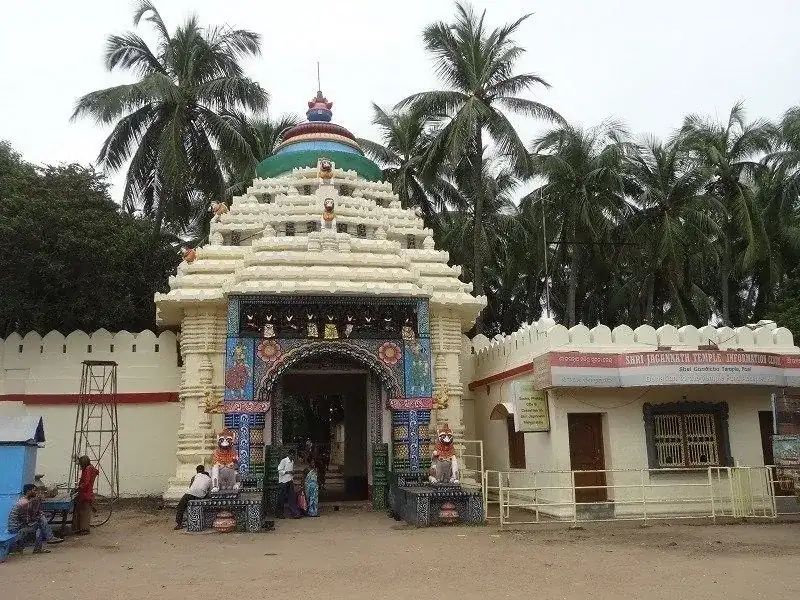
Sanctuary Profile·ମନ୍ଦିର ଇତିହାସ
About Alarnatha Mandira
🛕 Temple History & Architecture
Sacred History & Legends
The Alarnatha Mandira in Brahmagiri is intimately tied to the Sri Jagannath culture of Puri. According to hagiographies, it was sanctified by the visits of Vaishnavite philosopher Ramanujacharya and later Saint Chaitanya Mahaprabhu, who experienced divine ecstasy here.
Anavasara Significance
- The Fortnightly Refuge: During Anavasara—the fortnight when Lord Jagannath falls ill after the grand Snana Yatra—the deities in Puri are secluded.
- Alternative Darshan: Thousands of devotees flock to Alarnatha to catch a glimpse of the four-armed black chlorite Vishnu image, believing that Lord Jagannath manifests here during this period.
Kalinga Architectural Features
- Deula Typology: Built using local sandstone, the temple features the classic Kalinga configuration comprising a Rekha Deula (sanctum with a curved shikhara) and a Pidha Deula (jagamohana or assembly hall).
- Iconography: The presiding deity holds the traditional attributes of Vishnu—Sankha (conch), Chakra (discus), Gada (mace), and Padma (lotus)—carved with exquisite medieval Odishan precision.
Culinary Tradition & Etiquette
- The Legendary Kheer: The temple is renowned for its thick, condensed milk Kheer (payasa), prepared in earthen pots as a sacred offering (Mahaprasad).
- Darshan Etiquette: Visitors must observe traditional dress codes and respect ritual timings, particularly during the heavy monsoon rush of Anavasara.
Sacred Offerings
Famous Mahaprasad & Bhoga · ପ୍ରସାଦ ଓ ଭୋଗ
Kheer (Sweet Rice / Payasa)
Cooked traditionally in sanctified earthen pots following centuries-old Odishan temple culinary traditions and offered to the deity before distribution to devotees.
Temple Celebrations
Major Festivals · ପ୍ରମୁଖ ପର୍ବପର୍ବାଣୀ
Annual sacred rituals, grand processions, and auspicious celebrations observed at Alarnatha Mandira:
Anavasara DarshanBrahma Rath YatraSnana Yatra